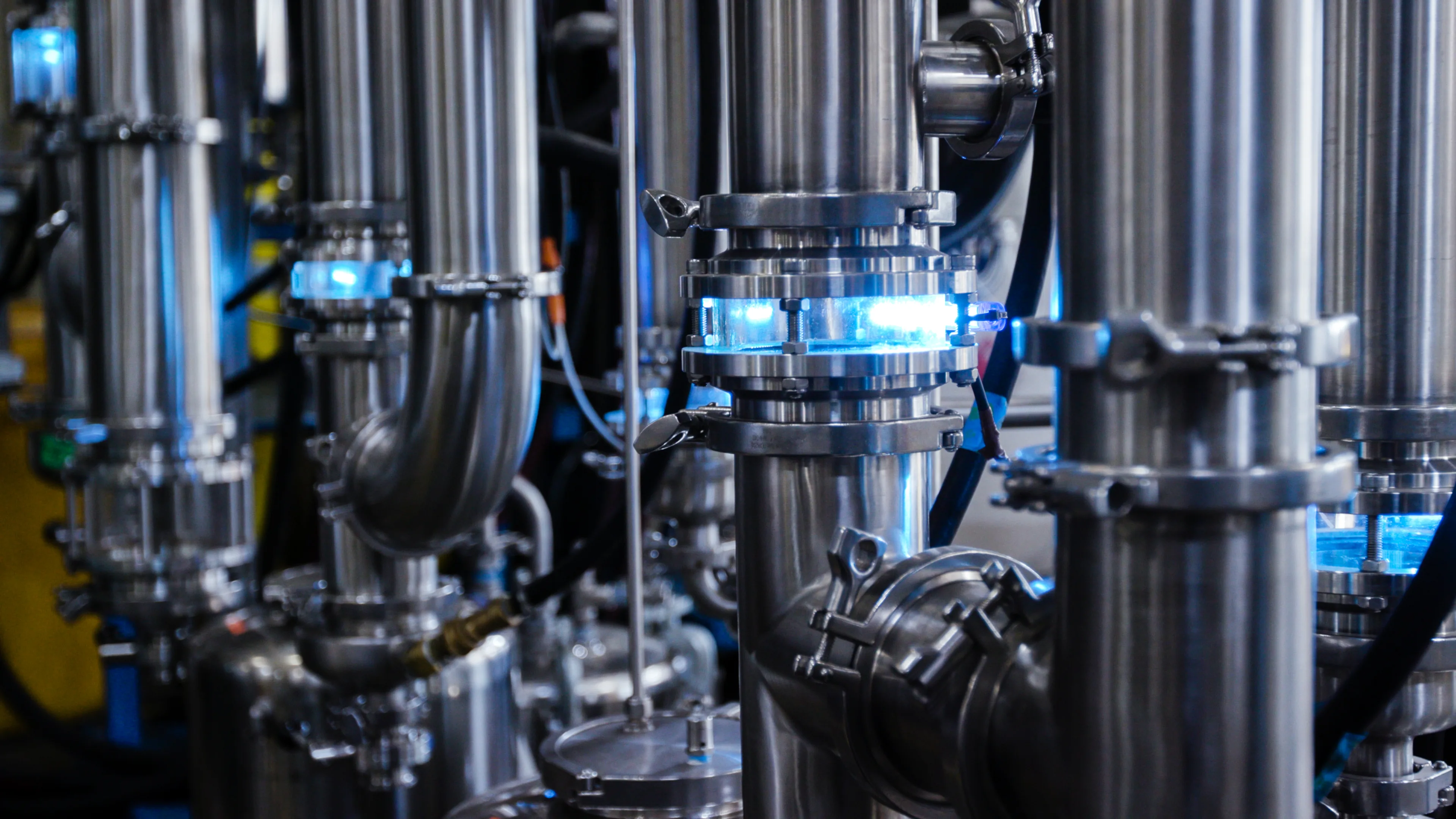
Custom Falling Film Evaporators Built Around Your Process
MRX designs and builds custom falling film evaporators for food, pharma, and other demanding process applications. We engineer systems around your product, throughput, thermal sensitivity, facility conditions, and downstream process goals — with support from concept engineering through fabrication, integration, and delivery.
Engineering-Led Approach
Built for Heat-Sensitive Products and Real-World Production
Falling film evaporation is widely used when a process needs efficient concentration without unnecessary thermal stress. In a falling film evaporator, the liquid flows as a thin film along a heated surface, supporting high heat-transfer efficiency and short residence time. That is one of the reasons the technology is commonly used for heat-sensitive products and demanding continuous processes.
MRX builds falling film evaporators around the actual process — designing for the product, the evaporation duty, the operating conditions, the sanitation requirements, and how the evaporator needs to fit into the full production system.
We have built hundreds of systems like these and understand that the right falling film system is not just about evaporation capacity. It is about product quality, uptime, cleanability, integration, and long-term performance.
100s
Systems Built
11+
Years in Service
9
Industries Served
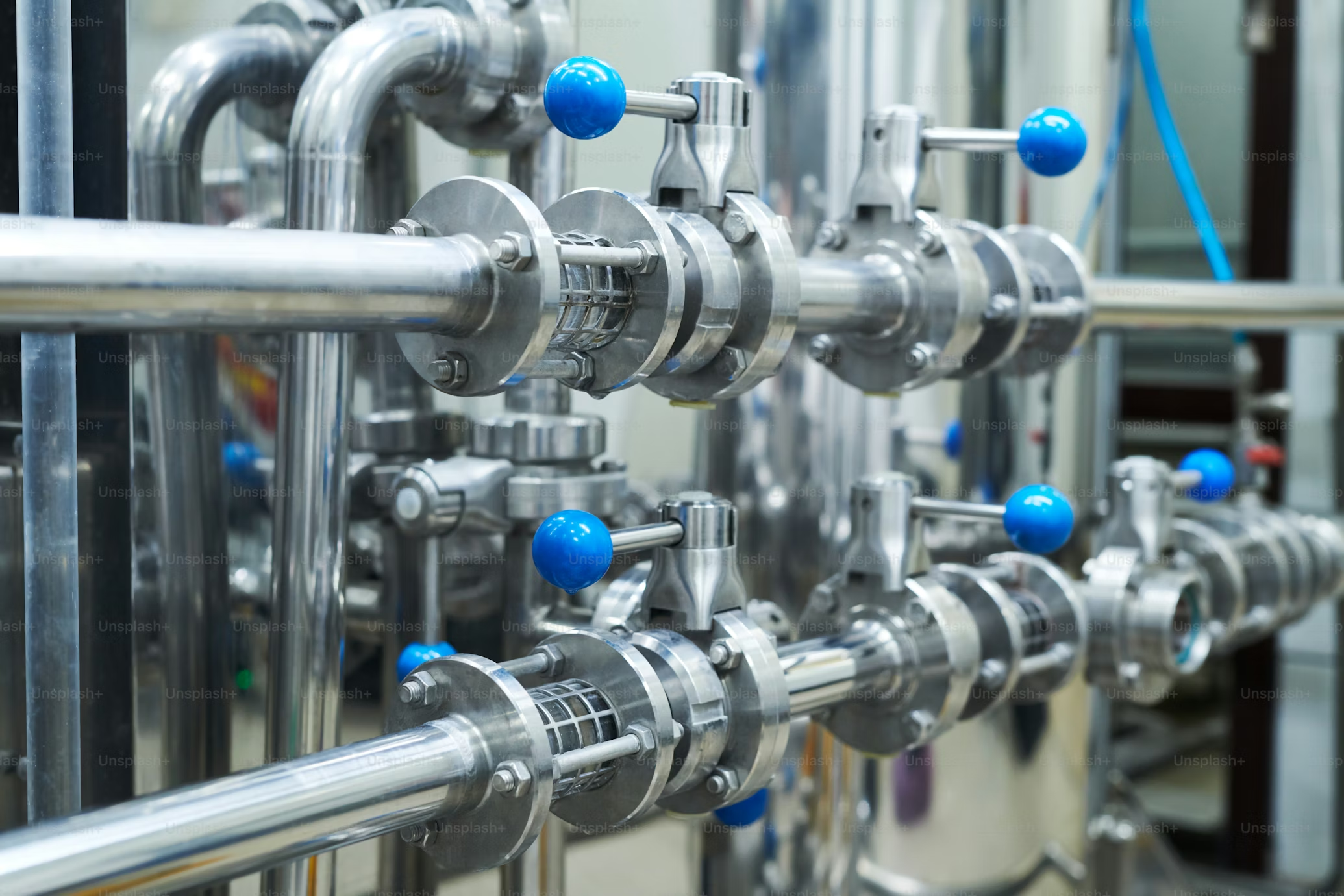
Custom Falling Film Evaporation Systems — Canby, Oregon
Food & pharma grade · Hygienic design · Controls integration
Why This Technology
Why Falling Film Evaporators Are Used
A falling film evaporator is especially valuable when the process requires gentle, efficient concentration with minimal thermal impact. Industry references consistently describe falling film evaporators as well suited for heat-sensitive and low- to medium-viscosity liquids because the thin liquid film improves heat transfer while minimizing time at temperature.
That makes them a strong fit for many food, pharmaceutical, and specialty-process applications where preserving product integrity matters.
Key Takeaways
- Thin liquid film over a heated surface — high heat transfer, short dwell time
- Well suited for low- to medium-viscosity, heat-sensitive liquids
- Performance depends on feed distribution, thermal approach, fouling behavior, and pressure strategy
- Systems should be engineered around the actual product and process — not treated as commodity equipment
- Cleanability, surface condition, and hygienic design matter equally to evaporation efficiency in regulated industries
Oregon Engineered. Every MRX falling film system is designed and fabricated at our Canby, Oregon facility — 100% in-house capability from first engineering sketch through final delivery.
How It Works
How a Falling Film Evaporator Works
The principle is straightforward. What separates a high-performing system from an average one is the engineering behind the details.
Feed Distribution
Feed liquid enters near the top of the heat exchanger and is evenly distributed into a thin falling film. Controlled distribution is critical — uneven feed causes dry spots, fouling, and poor performance.
Falling Film Evaporation
The liquid film flows downward over the heated surface. As heat is applied, part of the volatile component evaporates. Short residence time and thin film geometry minimize thermal stress on the product.
Vapor-Liquid Separation
Evaporated vapor and concentrated liquid are separated. Efficient separation affects both product quality and system energy use. Vapor handling design is a meaningful part of system performance.
Concentrated Product Discharge
The concentrated liquid exits the evaporator for downstream use, further processing, or recovery. Integration into the broader process line — pumping, piping, instrumentation — must be designed into the system.
What Drives Performance
The quality of a falling film system depends on more than the basic evaporation principle. These are the variables that separate a high-performing system from a mediocre one:
That is why falling film systems should be engineered around the actual product and process — rather than treated as a commodity item selected from a brochure.
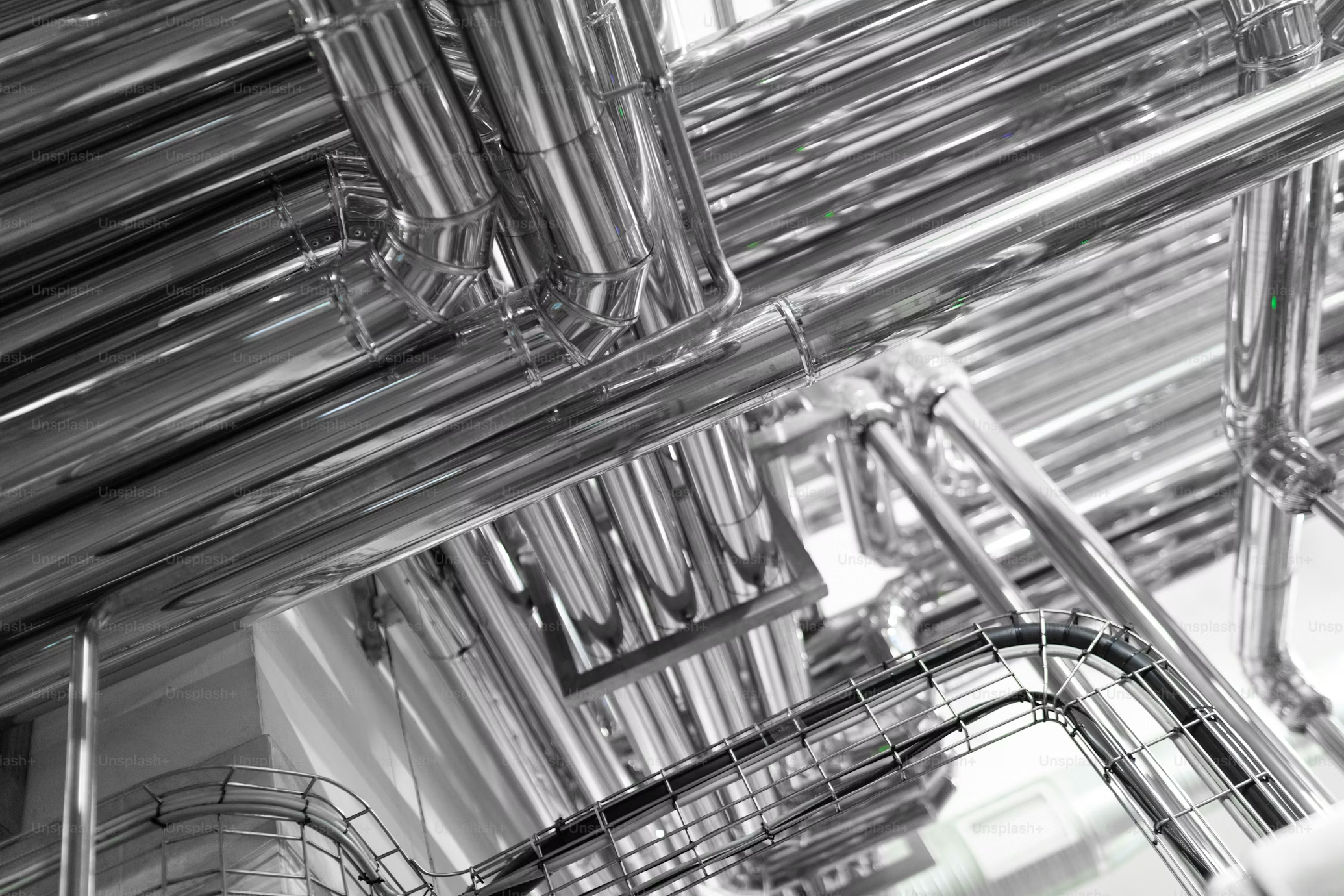
Food & Pharma Hygienic Design
3-A Sanitary · FDA cGMP · ASME BPE
Food & Pharma Applications
Falling Film Evaporators for Food & Pharma
For food and pharmaceutical applications, evaporation performance is only part of the equation. Cleanability, material selection, surface condition, hygienic design, and maintainability matter just as much.
3-A sanitary guidance emphasizes design and fabrication criteria for food-contact equipment. FDA cGMP requires equipment to be appropriately designed for intended use and for cleaning and maintenance. ASME BPE is directly relevant where hygienic bioprocessing and pharmaceutical standards are important.
For customers in food and pharma, that means the evaporator is designed not just to evaporate efficiently, but to operate properly in the environment where it will actually be used.
Beyond Evaporation
Distillation Systems Available
Many customers evaluating falling film evaporation are also thinking about downstream separation and purification. That is why MRX also develops distillation systems for applications where the process requires additional separation, concentration, or refinement after evaporation.
For heat-sensitive separations, short residence time and lower operating temperature can be especially important. Industry references for short-path and wiped-film distillation emphasize those same benefits for high-purity and thermally sensitive products.
Evaporation
Falling film concentration of the product feed
Concentration
Reaching target concentration or Brix specifications
Solvent Handling or Recovery
Handling or reclaiming process solvents
Downstream Distillation
Further separation, purification, or fractionation
System Integration & Controls
Full-process automation and sequencing
Full Process Path
MRX can help customers think beyond a single machine and develop the right process path across the full evaporation and downstream separation workflow.
Engineering Scope
Built Around Your Application
No two evaporation duties are exactly alike. MRX designs falling film systems around the actual demands of the job — not around a standard catalog configuration.
Product Characteristics & Fluid Behavior
Feed Rate & Target Concentration
Thermal Sensitivity Requirements
Viscosity & Fouling Behavior
Vacuum & Pressure Strategy
Utility & Facility Conditions
Skid or Plant Integration
Sanitation & Cleaning Needs
Controls & Automation
Downstream Process Requirements
The right evaporator is not just properly sized. It is properly engineered for the process it has to support.
Delivery Model
From Engineering to Delivery
A strong falling film supplier does more than fabricate stainless equipment. The real value is carrying the system from concept through execution with the right engineering, sourcing, fabrication, and integration discipline.
Step 01
Application Engineering
We start by understanding the product, the evaporation duty, the operating conditions, sanitation requirements, and how the system needs to fit into the full production line. Engineering defines performance before fabrication begins.
Step 02
Process & System Design
We design around feed rate, target concentration, thermal sensitivity, viscosity and fouling behavior, vacuum and pressure strategy, vapor handling, and controls requirements. Every falling film system is different.
Step 03
Component Sourcing
We source the right heat-transfer surfaces, distribution hardware, instrumentation, vacuum equipment, and supporting components based on the application and process requirements.
Step 04
Controls & Automation
Where the process demands it, we integrate controls for temperature, flow, vacuum, level, and sequencing — providing the operator visibility and repeatability the system needs.
Step 05
Fabrication & Assembly
All fabrication happens at our Canby, Oregon facility. Stainless construction, hygienic welds, and disciplined assembly are standard — not options.
Step 06
Project Coordination & Delivery
We coordinate testing, documentation, and delivery around the project timeline and site requirements, with the support needed for smooth startup and integration into the broader process.
Why Teams Choose MRX
A Supplier That Understands the Product and Engineers the Evaporation Duty
Customers looking for a falling film evaporator are usually not just buying a heat exchanger. They are solving a production problem. They need a supplier that can understand the product, engineer the evaporation duty, build for the operating environment, and integrate the system into the broader process.
- Custom-engineered around the application, product, and actual evaporation duty
- Hundreds of systems built — deep experience with food, pharma, and specialty process environments
- Strong fit for heat-sensitive product handling and gentle concentration
- CIP-ready and hygienic design options for regulated and sanitation-critical applications
- Distillation systems available where the process requires more than evaporation alone
- Designed with process integration in mind — not just a standalone machine
- Supported from engineering and sourcing through fabrication and delivery
- Fabricated in Canby, Oregon — 100% in-house capability
ASME BPVC 2026
Pressure Equipment Standard
ASME BPE
Bioprocessing Equipment Capable
3-A Sanitary
Food & Pharma Hygienic Design
Canby, OR
100% In-House USA Fabrication
UL-Listed
Intrinsically Safe Controls Available
Frequently Asked Questions
Common Questions About Falling Film Evaporators
Need a Custom Falling Film Evaporator or Distillation System?
Talk with MRX about your product, concentration targets, thermal sensitivity, hygienic requirements, and downstream process goals. We can help define the right evaporation and separation approach from engineering through fabrication and final delivery.